
When a long-standing tenant’s lease is nearing expiry, it’s a good time to step back and ask whether the building is still working for both the tenant and the owner.
This was the case at an East Tamaki commercial property we manage for one of our clients. The building was originally constructed in 2001 and, while it had served the tenant well for many years, parts of the internal layout and amenities no longer fully supported the way the business needed to operate.
With the lease approaching expiry, the landlord had an opportunity to look beyond a standard renewal and consider whether targeted improvements could support a better long-term outcome.
The challenge
For commercial property owners, retaining a good tenant is often a stronger outcome than starting again with a vacancy.
Vacancy creates lost income, downtime, marketing costs, lease incentives and uncertainty around how long it may take to secure the next tenant. But tenants also need premises that continue to suit their business. If the space no longer works for them, renewal becomes harder.
In this case, the key question was practical: what changes would make the building more functional for the tenant while also improving the long-term quality and performance of the asset?
The approach
Planning and discussions began in 2025, with the refurbishment works completed over a month in April 2026.
Commercial Realty worked closely with both the landlord and tenant to understand the tenant’s future operational requirements and identify where refurbishment would make the most impact.
The project included:
- Reconfiguring the internal layout to better suit the tenant’s requirements.
- Upgrading the kitchen and amenity areas.
- Installing new bathroom facilities to replace the original layout, which only had a single female toilet.
- Converting the front reception area into a student hub for the tenant’s training facility.
- Managing the refurbishment project on behalf of the landlord using Commercial Realty’s tradespeople.
The focus was not on renovating for the sake of it. It was about making targeted improvements that solved real operational issues for the tenant and improved the property for the owner.
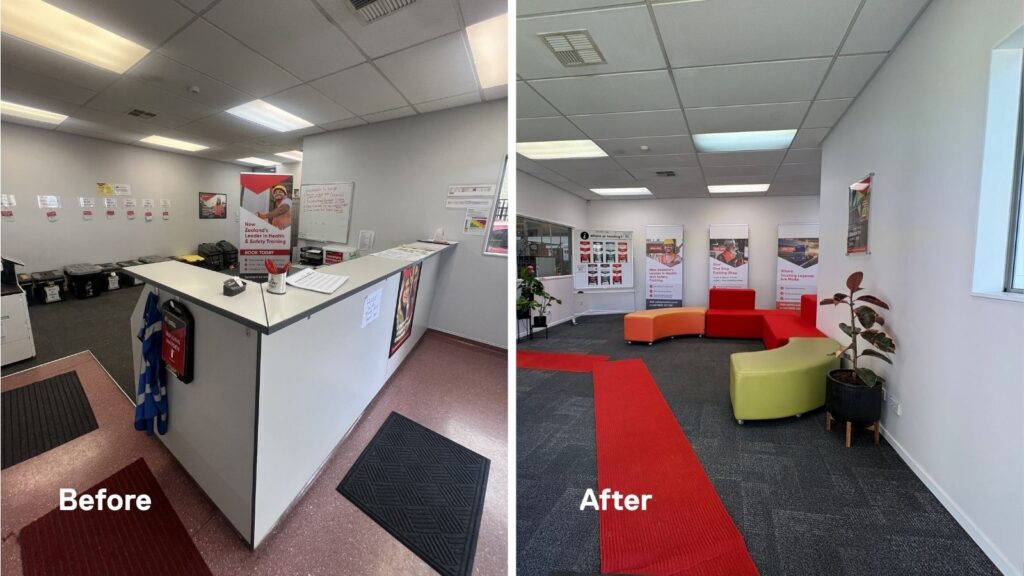
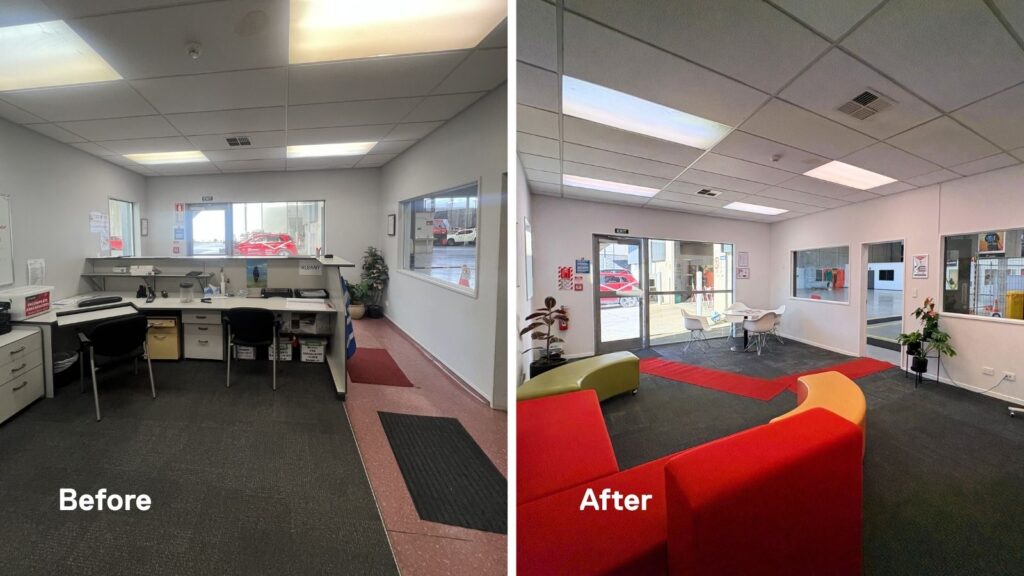
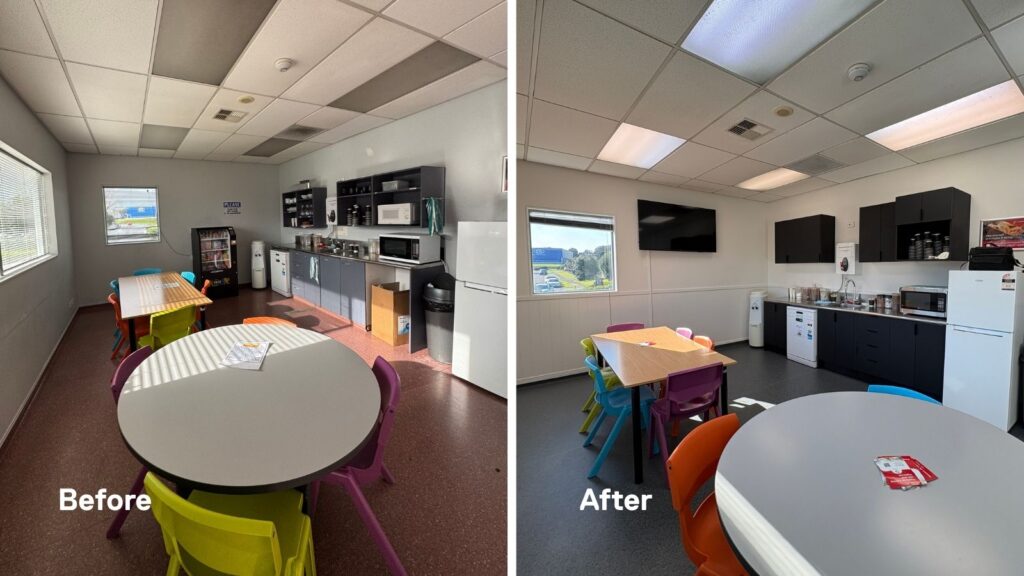
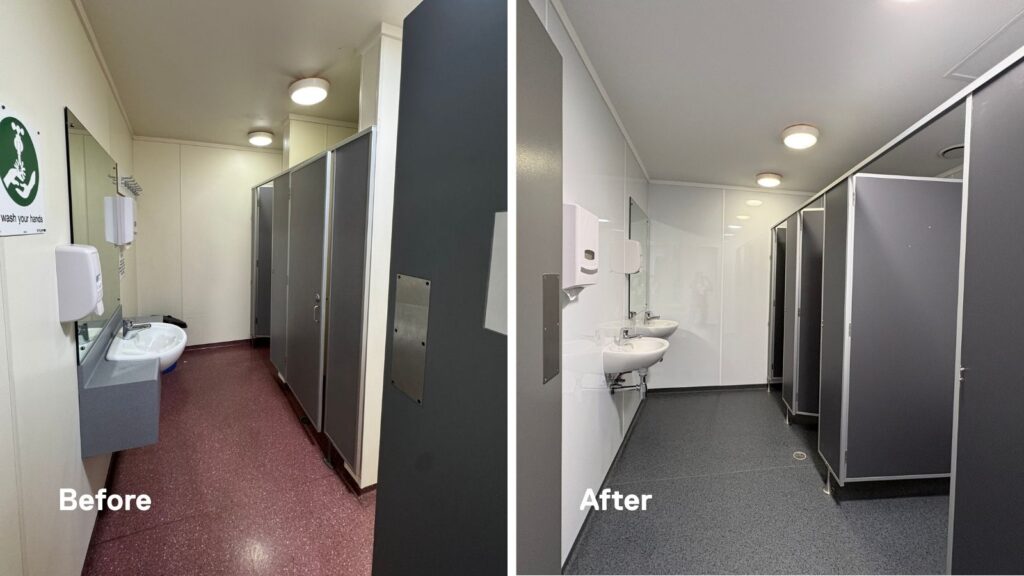
The outcome
Following the refurbishment and the landlord’s lease negotiations, the existing tenant committed to a new six-year lease.
The project also strengthened the tenant relationship and removed the immediate vacancy risk for the owner.
For the tenant, the refurbishment created a more functional, comfortable and fit-for-purpose training environment without the disruption of moving premises.
For the landlord, the works improved the quality of the building, supported long-term income stability and enhanced the asset for the future.
A better result for both owner and tenant
This type of project needs to be approached carefully.
The aim was not simply to improve the building, but to make the space work better for the tenant while also supporting the owner’s long-term position.
That balance matters.
A good commercial property should meet the needs of the business occupying it and continue to perform as an asset for the owner. When those two interests are aligned, renewal discussions are more constructive, vacancy risk is lower and the property is better placed for long-term performance.
What other commercial property owners can take from this
Not every building needs a major refurbishment. But every commercial property should be reviewed before key lease events.
If your tenant’s lease is nearing expiry, it may be worth asking:
- Is the current layout still working for the tenant?
- Are the amenities suitable for the way the business operates today?
- Are there maintenance or presentation issues that could affect renewal?
- Could targeted upgrades reduce vacancy risk?
- Is the property performing as well as it could?
- Would a refurbishment improve both tenant retention and long-term asset value?
These conversations are much easier to have early, before the tenant has started looking elsewhere.
Thinking about your own property?
If you own a commercial or industrial property in Auckland and have a lease expiry, renewal or major maintenance decision coming up, Commercial Realty can help to review the property, tenant relationships and any practical improvement opportunities.
A well-timed review can help you understand whether the building is still fit for purpose, where improvements may be worthwhile and how to protect the long-term performance of your asset.